

Professional Photographers: What Should You Remove From a Hotel Room Before Photographing It?
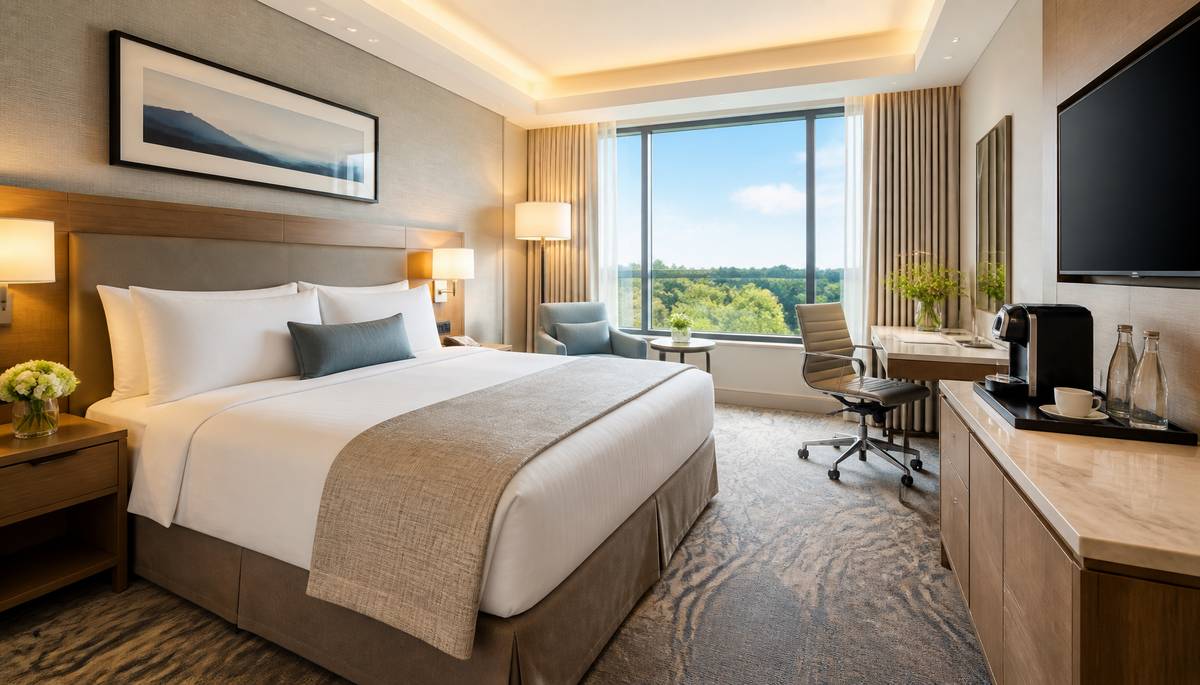 A camera can turn a perfectly innocent hotel room into an exhibition of everything the housekeeping team forgot to hide. A television remote sitting at an odd angle, a spare bin liner peeking from beneath a desk or an information card leaning against the kettle may barely register in person. In a photograph, however, these small details can suddenly become remarkably assertive.
Preparing a hotel room for photography is therefore an exercise in selective editing. The objective is not simply to make everything tidy. It is to create a clear, attractive composition that shows prospective guests what the room offers while retaining enough warmth to make the space feel welcoming rather than clinically untouched.
Start With Everyday Hotel Clutter
Begin with practical objects that guests need but photographs generally don't. Television remotes, laminated instruction cards, spare bin bags, cleaning notices, door hangers, tissue boxes and visible cables are obvious candidates. Tea and coffee facilities may be worth keeping, particularly if they are an advertised amenity, but sachets scattered beside a kettle rarely improve a photograph.Bathrooms deserve especially careful attention. Spare toilet rolls, cleaning products, sanitary bags, partially visible bins and excessive toiletries can make countertops look crowded. Hotel-branded toiletries may be worth displaying when presentation is attractive, but arrange them deliberately rather than leaving an enthusiastic little army of shampoo bottles surrounding the basin.
Remove Anything That Distracts From the Room
Not everything that should be removed qualifies as clutter. A brightly coloured housekeeping notice may be perfectly neat yet completely dominate an otherwise calm interior. Promotional leaflets, restaurant menus and information folders can create similar problems, particularly when several different designs and colours appear together.Look at the hotel room from the intended camera position before deciding what stays. Objects that appear unobtrusive while standing beside the bed may become distracting once viewed through the lens. Check bedside tables, desks, shelving and the area around the television carefully. Even a telephone cable can create an unexpectedly untidy line across an otherwise polished composition.
Give the Furniture Some Breathing Room
Hotel furniture is often arranged primarily for practicality rather than photography. A desk chair may be pulled out too far, an occasional chair might partially obscure a window or a luggage rack could interrupt the visual line between the entrance and bed.Small adjustments can make a substantial difference. Straighten chairs, centre bedside tables where appropriate and make sure lamps are positioned consistently. Curtains should hang naturally and bedding should be carefully arranged without looking impossibly rigid. There is a fine line between an inviting hotel bed and one that appears to have been constructed by engineers.
Keep the Amenities Guests Actually Want to See
Removing distractions should never mean concealing useful features. If the room includes a coffee machine, minibar, workspace, luxury toiletries or particularly attractive hospitality tray, these may deserve a place in the photographs. Guests use images partly to understand what they are booking, so presentation should clarify the room rather than fictionalise it.The question is whether an object communicates something worthwhile. A beautifully presented espresso machine tells the viewer about an amenity. Six sugar packets, four wooden stirrers and a crumpled instruction leaflet mostly tell them that espresso machines require administrative support.
Don't Remove All Signs of Hospitality
There is a danger in becoming too enthusiastic about subtraction. Remove every cushion, book, glass, decorative object and hospitality item and the room can begin to look unfinished rather than luxurious.Well-styled hotel photography usually benefits from a few carefully chosen details. A neatly folded throw can soften a bed. Two glasses beside a bottle of water can suggest hospitality. A small vase, attractive book or restrained decorative object can prevent a desk or bedside table from appearing strangely abandoned.
The distinction is between intentional styling and operational clutter. The room should look ready to welcome a guest, not as though the guest has already arrived, unpacked, ordered room service and spent forty minutes looking for a free electrical socket.
Check Mirrors and Reflective Surfaces
Hotel rooms frequently contain mirrors, glass shower screens, glossy televisions and polished furniture, all of which can reveal things outside the intended composition. Check reflections for equipment, open doors, cleaning trolleys, cables and members of the photography team.Bathroom mirrors are particularly unforgiving. A room can be immaculate while the reflection quietly reveals a pile of towels and a photographer attempting to crouch behind the door. Inspect the entire frame before taking the final photographs rather than assuming anything outside the camera's direct line of sight is safely hidden.
Make Room for a Better Impression
Preparing a hotel room for photography is ultimately about directing attention toward the features that will matter to prospective guests. Remove objects that create visual noise, straighten furniture that interrupts the composition and retain amenities or decorative details that communicate comfort, character and quality.The strongest photographs should still represent the hotel room honestly. They simply show it at its most composed: clean, bright, inviting and ready for someone's arrival. Ideally, nobody looking at the finished photograph should think about what was removed at all — particularly the remote control that was somehow still sitting on the bed five minutes before the shoot.
Article kindly provided by gdholland.co.uk
Latest Articles
- Professional Photographers: What Should You Remove From a Hotel Room Before Photographing It?
- How to Plan Around Peak Congestion Days for Mountain Trips
- Mapping Your First Mountain Resort Loop Without Losing Your Sanity
- How Pro Kitchen Renovations Quietly Increase Booking Confidence in Self-Catering Stays
- Discover a City's Real Character From the Backseat
- How to Make Airport Layovers Surprisingly Productive
- From HVAC to ROI: the Hidden Economics of Sustainable Hotel Design
- How to Plan Your Day Tours to Minimize Crowds and Maximize Serendipity
- From Tourist to Observer: How to Photograph a City Like a Local
- Seasonal Shifts in Abandoned Turkish Valleys Reveal Clues About Heritage Site Decay
- Mastering Group Travel Planning for Events in Fort Lauderdale
- Beyond the Beach Bus: Hidden Palm Beach Spots Worth the Group Ride
- Chrono-Travel and Time Zone Acrobatics on a Coach
- Hidden Miami Charter Bus Routes to Secret Beaches, Local Food Gems, and Underrated Attractions
- More Than Just Ice - Unexpected Events at Amerant Bank Arena
- Madrid's Strangest Museums and Attractions You Never Knew Existed
- Disaster-Proof Rentals: A Flood-Resilient Guide for Holiday Homeowners
- Following the Footsteps of Filmmakers: Morocco's Iconic Movie Locations You Can Visit
- Hidden Gems Along Morocco's Coastline
- Tastes of Miami: Culinary Tours for the Global Foodie