

How to Plan Around Peak Congestion Days for Mountain Trips
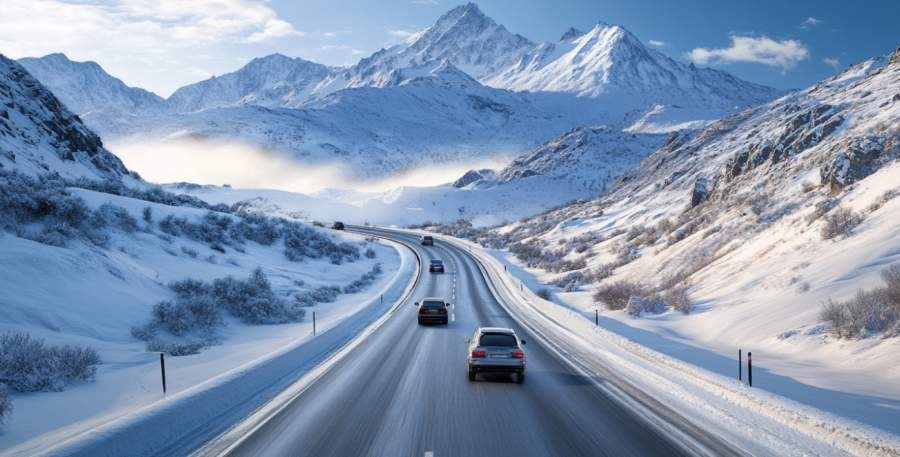 A mountain journey begins long before anyone tightens a boot buckle; it begins the moment you decide when to travel. Some days glide by with open roads and cheerful playlists, while others feel like the mountains have personally invited every driver in the hemisphere to join you. Understanding why congestion spikes on certain days—and sidestepping those bottlenecks—can turn a tense crawl into a smooth ascent.
Why Some Days Grind to a Halt
Weekend turnover days in ski season are the usual suspects. When thousands of departing visitors collide with thousands of arriving ones, mountain roads transform into patient-testing queues. Saturdays often take the crown here, though holiday periods enthusiastically try to steal it. Weather plays its part too: one promising snowfall forecast can summon a caravan of optimists convinced they'll reach fresh powder first. Add roadworks, school breaks, and the occasional driver who treats icy bends as an audition tape, and you have a recipe for slow progress.Spotting the Patterns Before They Snare You
Reliable trip timing comes from studying patterns, not relying on luck. A few predictable triggers tend to repeat each year:- Major holiday weekends that align with regional school breaks
- Fresh-snow days combined with clear weather forecasts
- Saturday changeovers at popular winter destinations
- Late-morning departure surges when everyone oversleeps
Choosing Windows That Keep You Moving
One of the easiest wins is to shift your travel time. Very early departures can feel heroic, but they sidestep the compression of mid-morning traffic. Evening arrivals, though slightly mysterious in mountain shadows, often flow more freely. Adjusting by just a few hours can dramatically reduce your transfer time. Travelers who treat their schedule like flexible clay rather than carved granite tend to enjoy more predictable journeys.Packing Smart to Avoid Time Traps
Some delays originate before you even leave home. Searching for missing gloves while the car idles is practically a ritual, but an avoidable one. Create a simple gear-staging area the night before—preferably somewhere you won't trip over it in the dark—and your morning departure becomes more graceful. Those precious saved minutes might move you ahead of a traffic wave you never even see forming.Reading Weather Without Needing a Meteorologist Badge
Weather apps offer a shorthand for anticipating road conditions. Heavy snowfall might sound idyllic, but it can trigger temporary closures or mandatory equipment checks. Clear skies after a storm attract drivers like a magnet. Watching how forecasts line up with popular travel days helps you predict when the roads will behave politely and when they'll test your patience.When Public Transport or Shuttles Save the Day
Certain mountain regions offer shuttle links timed to match airport arrivals or town-to-resort connections. These services usually bypass parking chaos and sometimes access dedicated lanes, whisking passengers past long rows of cars engaged in a collective crawl. While not every traveler wishes to surrender the driver's seat, letting someone else handle the wheel can feel like a small triumph, especially when that someone is navigating traffic you're no longer trapped in.Managing Energy, Mood, and Patience
Long delays fray tempers in ways even rugged mountains can't soothe. Bringing snacks that don't crumble into geological formations, downloading music or podcasts, and keeping water handy can soften the edges of an unexpected wait. Serious planners also prepare for the psychological lull that comes when movement slows to a trickle. Treating it as part of the journey rather than a personal vendetta waged by the highway helps maintain perspective.When All Else Fails, Outsmart the Clock
Traveling a day earlier or later than the big crowds can feel radical, but the payoff is often enormous. Accommodation tends to be quieter, restaurants less crowded, and the roads positively civilized. If shifting your holiday's start or end isn't possible, consider staggering your departure by a cleverly chosen hour. Many drivers leave immediately after checkout times, creating a predictable surge that can be avoided with either an earlier start or a leisurely lunch before hitting the road.Going Against the Grain
Sometimes the most effective tactic is simply doing the opposite of what most people do. If the masses flock to the mountains on Saturday morning, try Friday evening. If the entire region seems determined to depart after brunch, aim for sunrise or wait until dusk. Counter-cyclical timing can make you feel like you've discovered a secret passageway disguised as a public road.Peaks, Not Peaking
Mastering mountain-trip timing isn't a mystical art; it's a mix of observation, preparation, and the occasional willingness to zig when others zag. When you start viewing travel windows as variables rather than fixed mandates, congestion becomes something you can outmaneuver rather than endure. The reward is simple: more time where you actually want to be and less time staring at taillights that seem increasingly personal. Planning smartly lets the journey rise to meet you without dragging quite so many fellow travelers along for the ride.Article kindly provided by alpnav.com
Latest Articles
- Professional Photographers: What Should You Remove From a Hotel Room Before Photographing It?
- How to Plan Around Peak Congestion Days for Mountain Trips
- Mapping Your First Mountain Resort Loop Without Losing Your Sanity
- How Pro Kitchen Renovations Quietly Increase Booking Confidence in Self-Catering Stays
- Discover a City's Real Character From the Backseat
- How to Make Airport Layovers Surprisingly Productive
- From HVAC to ROI: the Hidden Economics of Sustainable Hotel Design
- How to Plan Your Day Tours to Minimize Crowds and Maximize Serendipity
- From Tourist to Observer: How to Photograph a City Like a Local
- Seasonal Shifts in Abandoned Turkish Valleys Reveal Clues About Heritage Site Decay
- Mastering Group Travel Planning for Events in Fort Lauderdale
- Beyond the Beach Bus: Hidden Palm Beach Spots Worth the Group Ride
- Chrono-Travel and Time Zone Acrobatics on a Coach
- Hidden Miami Charter Bus Routes to Secret Beaches, Local Food Gems, and Underrated Attractions
- More Than Just Ice - Unexpected Events at Amerant Bank Arena
- Madrid's Strangest Museums and Attractions You Never Knew Existed
- Disaster-Proof Rentals: A Flood-Resilient Guide for Holiday Homeowners
- Following the Footsteps of Filmmakers: Morocco's Iconic Movie Locations You Can Visit
- Hidden Gems Along Morocco's Coastline
- Tastes of Miami: Culinary Tours for the Global Foodie